Skincare Science
Stem Cells, Decoded
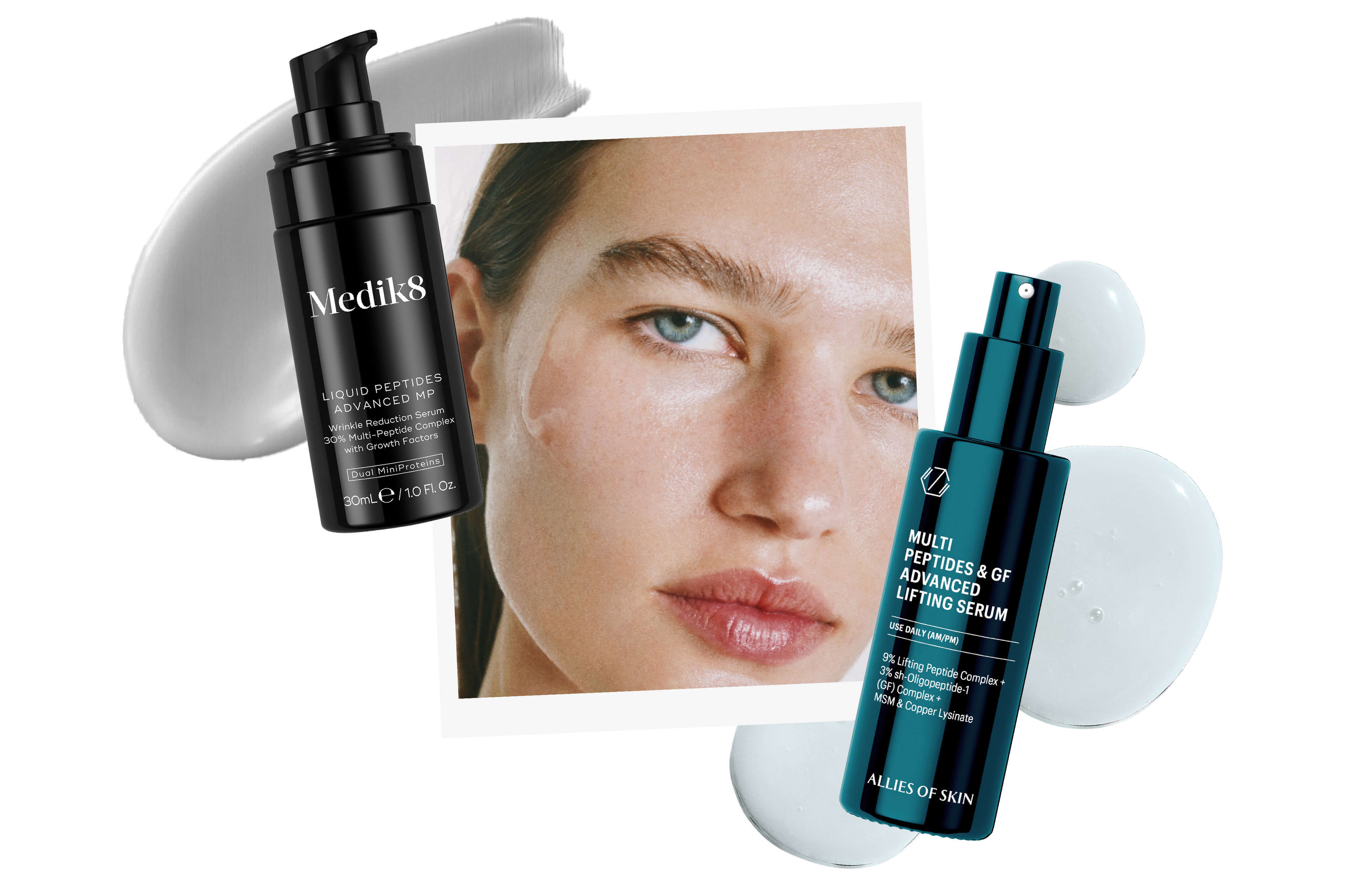
You don't have to have a degree in biochemistry to know what the terms growth factors, stem cell extracts, peptides, exosomes or NAD⁺ mean. In any case, hardly any skincare enthusiast will have failed to notice that biologically active ingredients are increasingly shaping modern skincare. The pure care program is so yesterday, these sophisticated ingredients are here to specifically support the cellular communication and regeneration processes of the skin. Clever, future-oriented and - admittedly - in need of some explanation.
Before we delve deeper, a brief overview: Growth factors, stem cell extracts, peptides, exosomes and NAD⁺ are often mentioned in the same breath, but they are neither identical nor interchangeable. They act on different biological levels of the skin - from signaling substances to messenger molecules to cellular energy. In short, it's not about a single "super ingredient", but about different approaches that support the skin in different ways. Can you follow? Then let's take a closer look at the individual active ingredients.
Stem cell extracts
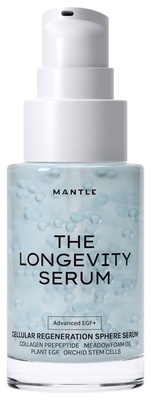
In cosmetic products, so-called stem cells come exclusively from plant or marine sources such as orchids, roses, raspberries, algae or plankton. "Living human stem cells are subject to strict legal and ethical regulations, which is why extracts and signal substances are used in cosmetics - not living cells," explains Dr. Eveline Urselmann, a specialist in aesthetic medicine in Hamburg. These extracts provide antioxidant and signaling components that can protect the skin from stress and support regenerative processes. "Cosmetics are not about cell transplants, but about targeted impulses that support skin function," she adds.
Growth factors
"Growth factors and peptides are among the most controllable groups of active ingredients. Both specifically support communication between skin cells, for example with regard to regeneration, barrier function or collagen metabolism." Realistically, however, growth factors in cosmetic products mainly act on the skin's surface. There, they can support epidermal repair processes, strengthen the skin barrier and improve skin quality in the long term. "Cosmetics cannot replace medical regeneration, but they can optimize the conditions under which the skin functions healthily," emphasizes the expert.
Exosomes
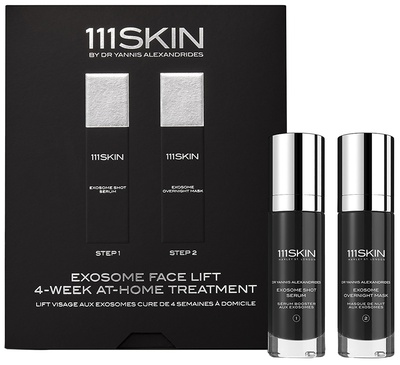
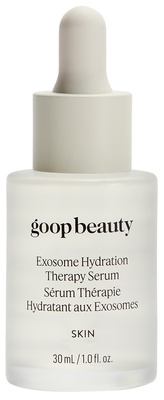
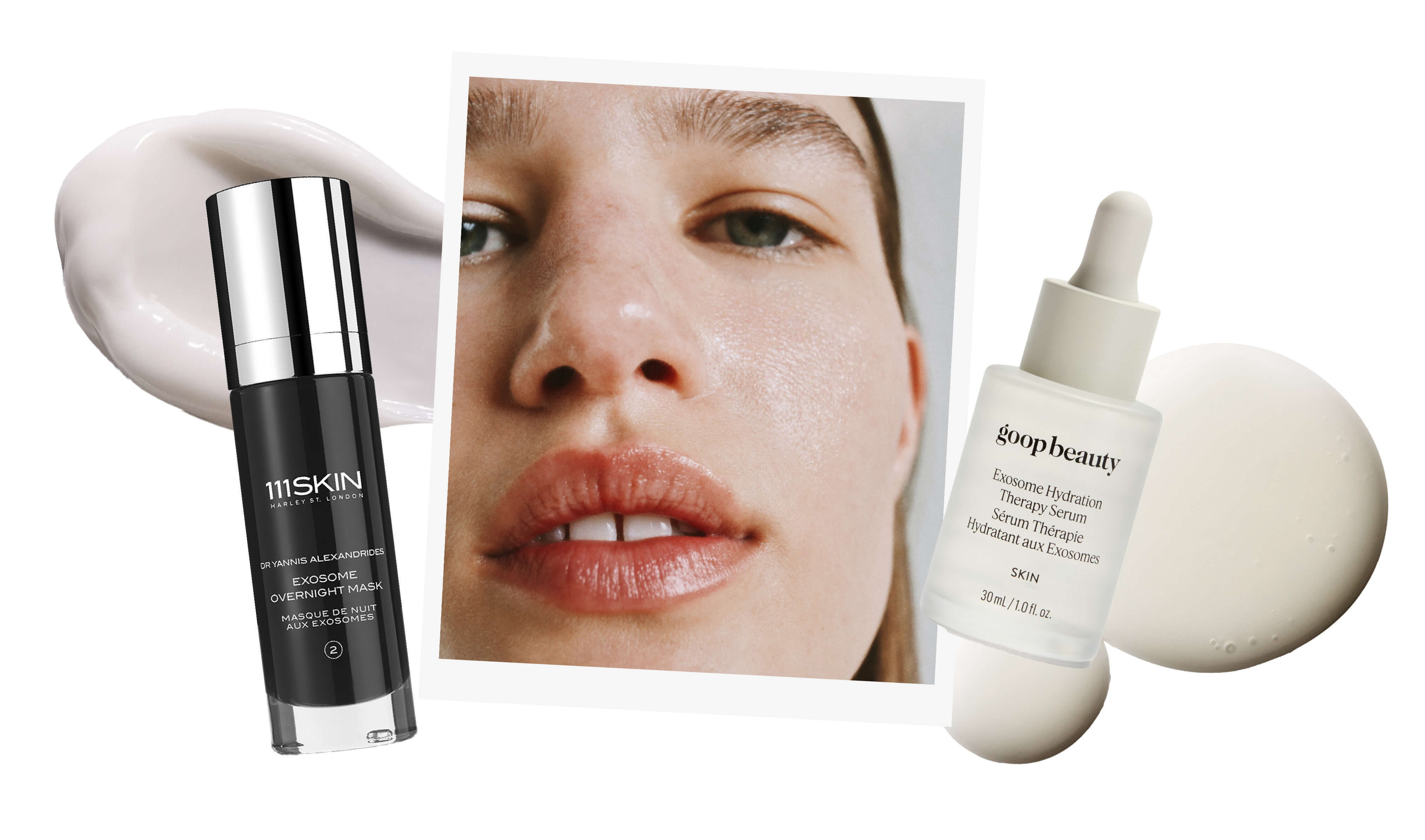
Exosomes are currently receiving a lot of attention. In medicine, they are regarded as central messengers in cell communication and play an important role in regenerative processes. Exosome-like systems are currently being used in cosmetic products to mimic this signaling effect. "Exosomes are biologically very exciting, but in cosmetics we are still working in a dynamic field of research," says Dr. Urselmann.
NAD+
NAD⁺ plays a special role. As the cell's central energy carrier, the coenzyme is essential for metabolism, repair and stress resistance. Unfortunately (!), its availability decreases with age - a process that also affects the skin. Products with NAD⁺ or NAD⁺-supporting active ingredients are therefore increasingly being used in skincare to support local cellular energy processes in the skin and reduce oxidative stress. In the longevity context, it is less about visible rejuvenation and more about long-term functional maintenance. "Longevity does not mean turning back time, but rather preserving the performance of the cells for as long as possible," says Dr. Urselmann.
But how well tolerated are all these highly active ingredients for sensitive skin? The specialist explains that restraint is crucial here: "A stable skin barrier forms the basis of any effective skincare. Too many simultaneous stimuli can overload the skin and promote irritation. Effectiveness is not achieved through maximum irritation, but through targeted, intelligent dosing." Whether and when these active ingredients are useful depends less on biological age than on the individual skin condition. "Frequently stressed, photodamaged or less regenerative skin often benefits the most - often from around 30+. For very young or inflammatory skin, on the other hand, the focus is initially on stabilization."
In conclusion, the question remains as to whether growth factors, peptides, exosomes or NAD⁺ are a short-term trend - or actually mark the next chapter in modern skincare. For Dr. Urselmann, the answer is clear: "These active ingredients are an expression of a biologically oriented understanding of skincare." However, it is not the active ingredient alone that is decisive, but its implementation. "Above all, concepts that are scientifically formulated and realistically positioned are successful in the long term - beyond exaggerated promises."
A conclusion that focuses less on hype and more on substance - and therefore on care that supports the skin in the long term rather than impressing it in the short term. We like to hear that! And whether you can categorize every molecule or not, good skincare doesn't require a degree in biochemistry, but clever formulations.